


The most common type of spinal pathology is lumbar osteochondrosis.The largest percentage of people suffering from lumbar osteochondrosis fall in the age group after 30 years.The disease is caused by the degeneration of the cartilaginous tissue of the spine and intervertebral discs.The disease is characterized by severe attacks of pain in the lumbar region.

How does osteochondrosis of the lumbar spine occur?
Because most of the body is supported by the pelvic bone, lumbar osteochondrosis is the most common of all types of osteochondrosis.The spine consists of the main spongy bone tissue and intervertebral discs that connect the ridge areas.They consist of cartilaginous tissue, inside which there is a semi-liquid core.The purpose of the intervertebral discs is to act as hinges, allowing the spine to be flexible and bend in different directions.Osteochondrosis affects the circulatory system, when it is disrupted, the cartilaginous tissue of the intervertebral discs loses its strength.The process of tissue degeneration begins, the cartilage dries out and becomes brittle, begins to bend and protrude from the spine, unable to withstand the constant load of body weight.The affected part of the ridge gradually begins to bend and put pressure on adjacent nerves, causing severe pain that radiates to the leg.This condition is called lumboischialgia.If left untreated, the patient risks significant consequences, including paralysis of the lower body.
Why is osteochondrosis of the lumbar spine dangerous?
The initial stage of development of lumbar osteochondrosis appearsin protrusion, when the intervertebral disc begins to go beyond its limits and acts as a root between the vertebral sections.Also, as the disease progresses, the integrity of the fibrous ring is disrupted, from which a gel-like nucleus comes out, this condition is called intervertebral hernia.In the process of irritation and pinching of the spinal nerve, the nerve becomes inflamed, causing severe pain, that is, lumbar osteochondrosis eventually progresses to radiculitis.Another likely consequence in the absence of therapeutic measures for lumbar osteochondrosis is sciatica.Sciatica is an inflammation of the sciatic nerve.In this condition, the patient experiences severe pain in the lumbar region, which is reflected in pain in the leg, which may be accompanied by muscle numbness.Due to severe pain, a person tries to avoid putting pressure on the painful side, bending the spine, which further aggravates the blood circulation of the discs, provoking a further process of destruction.Another possible consequence of lumbar osteochondrosis is acquired compression myelopathy, in which the spinal canal narrows due to disc growth, impairing blood circulation.Due to the acquired instability of the spine, the spine begins to sag from the sacral area, affecting adjacent organs.Women may have problems with the uterus, ovaries, men risk compromising potency.And finally, the most dangerous consequence of lumbar osteochondrosis is the acquisition of cauda equina syndrome.In its advanced form, the disease affects all nerves, from the first to the last vertebra, causing complete or partial paralysis of the legs and buttocks.

Causes of lumbar osteochondrosis
The reasons why this disease is acquired most often include the following:
- low intensity physical activity;
- diseases of the thyroid, cardiovascular system, gastrointestinal tract;
- high physical activity, weight lifting;
- diseases of the vertebral joints, especially rheumatoid arthritis
- vertebral underdevelopment;
- flat feet;
- spinal injuries, especially those in the lumbar and cruciate regions;
- incorrect metabolism;
- spinal degeneration associated with age-related changes.
The risk group for lumbar osteochondrosis includes people who:
- have a curvature of the spine;
- suffer from obesity and metabolic disorders;
- are in a bent position for a long time;
- have a hereditary predisposition;
- they are in an environment of increased stress;
- they have sleep disorders, they rest little;
- subjecting the body to hypothermia;
- they are representatives of professions such as loaders, builders, drivers and also have specialties related to constant presence at the computer.
Symptoms of lumbar osteochondrosis
In addition to the pain that those suffering from lumbar osteochondrosis feel, especially during periods of high stress, there are also other symptoms of this disease, which manifest themselves as follows:
- dull pain that moves from the source of inflammation to the leg;
- increased pain when lifting something heavy, changing body position, coughing, sneezing;
- when you stay in the same position for a long time, blood accumulates in the lesion and at the slightest attempt to change position, sharp pain occurs;
- constant tension in the back muscles;
- low back pain at minimal hypothermia;
- numbness of the thigh, buttock muscles, lower leg and foot;
- tingling sensation in the legs;
- arterial spasm up to lack of pulse;
- pathology of sweat glands;
- dryness of the skin in the area of pain and loss of sensation.
Description and causes of the disease
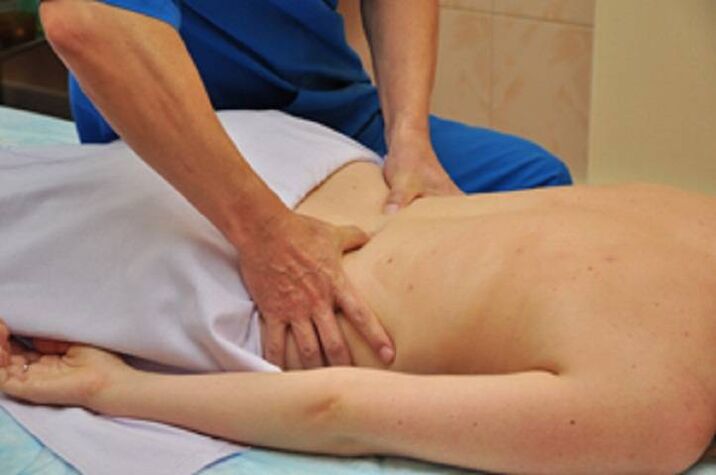
Lumbar osteochondrosis occurs for a number of reasons, one of the main ones is uneven load on the spine.The disease is characterized by dystrophic lesions in the cartilaginous elements of this part of the spinal column, accompanied by changes in the structure of the intervertebral discs.Experts include the following provoking factors:
- physical inactivity with prolonged incorrect postures;
- hormonal imbalance;
- congenital problems in the form of curvature of the legs, dysplasia;
- significant loads on the lumbar region due to heavy lifting, especially among loaders and athletes;
- incorrect posture;
- injuries;
- inheritance;
- bad diet.