


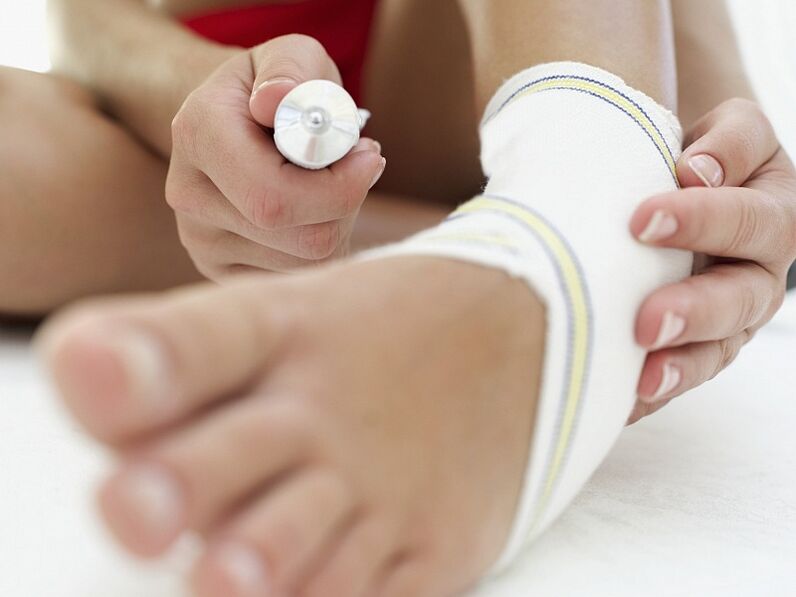
The common belief that only the elderly are susceptible to osteoarthritis of the joints is fundamentally wrong.This disease has a different etiology and can affect people of any age, gender and profession.
Among the reasons that contribute to the development of arthrosis of the joints are the following:
- primary arthrosis (congenital weakening of the articular cartilage);
- professional activity (sport, dance, heavy physical work);
- diseases causing metabolic disorders;
- obesity;
- mechanical deformation of the joints (wearing tight or incorrectly selected shoes);
- genetic predisposition.
This disease is characterized by a critical thinning of the articular cartilage and a deformation of the joint itself, which causes severe pain to the patient and significantly reduces motor activity.According to the WHO, osteoarthritis is a leading cause of disability and disability in people around the world.
Symptoms and complications of osteoarthritis
Osteoarthritis can affect both large joints (knee, hip, elbow, etc.) and small ones: joints of the hands, fingers, feet.In the initial stage of the disease, aching pain appears in the joint, which becomes more severe as the disease progresses.When you extend and bend the joint, you may hear a creaking sound and movements become difficult.Progressive osteoarthritis causes the joint to widen and the area surrounding the diseased joint becomes overly sensitive to touch, cold and heat.
In addition to severe pain and deformation of the joint, leading to cosmetic defects, joint arthrosis without treatment causes serious complications.Delay in treatment is fraught with the development of the following diseases:
- periarthritis (acute inflammation of the tissues surrounding the diseased joint);
- synovitis (inflammation of the joint membrane);
- coxarthrosis (irreversible damage to the hip joint).
Complications of arthrosis of the joint, in turn, lead to complete immobility of the joint, which can become the initial stage of severe disability.
Treatment of joint arthrosis
The following methods are used in the treatment of arthrosis:
- medicinal;
- physiotherapy;
- surgical.
By the medicinal method, treatment of arthrosis is aimed at improving the nutrition of the cartilage and relieving pain (introducing special nutritional gels into the periarticular area and additionally taking non-steroidal anti-inflammatory drugs, gouty and homeopathic drugs).
The physiotherapeutic method is aimed at improving the blood supply to the joint and its mobility, as well as enhancing the effect of drug therapy.The list of physiotherapeutic agents includes:
- Ultrasound therapy;
- reflexology;
- mud therapy;
- radon and hydrogen sulphide baths;
- pulse therapy;
- magnetotherapy;
- laser therapy, etc.
The surgical treatment method is aimed at removing bone formations resulting from arthrosis of the joints and normalizing the size of the joint.This method is used only in combination with drug treatment and physiotherapy, since the doctor's task is to eliminate the very cause of arthrosis and reduce the risk of recurrence.
The diagnostic and therapeutic facilities of the clinic provide an accurate determination of the causes of joint arthrosis, the extent of joint damage, and also ensure the selection of the optimal treatment plan for each patient on an individual basis.The clinic's hardware allows the use of the most modern technologies for the treatment of arthrosis, aimed at eliminating this disease as quickly and effectively as possible.